In today’s busy world, stress and exhaustion often leave people searching for ways to feel calmer and healthier. Reiki, a gentle yet powerful practice, has become a trusted method for many who want balance without relying on medication or complex treatments. Though it works in subtle ways, Reiki can bring deep relaxation, emotional release, and a greater sense of harmony.
What Is Reiki?
Reiki is a Japanese energy healing practice developed in the early 20th century. The word comes from two parts: “Rei” (universal) and “Ki” (life energy). Practitioners believe this life energy flows through all living beings, and when it is blocked or low, it can affect health and well-being.
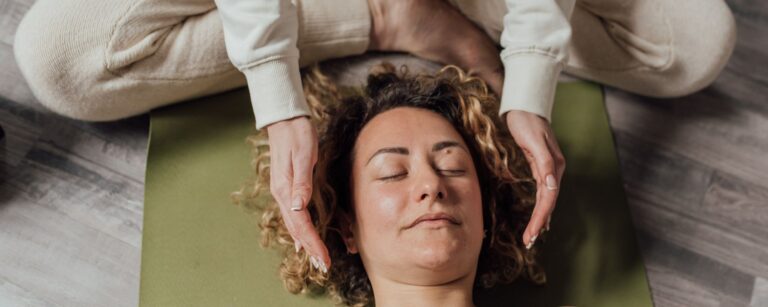
Unlike massage or physical therapy, Reiki does not require pressure or manipulation of the body. A practitioner simply places their hands lightly on or above the body, allowing energy to flow where it is needed most. Clients often describe feelings of warmth, tingling, or deep calm during a session.
How Reiki Works?
Reiki is thought to support the body’s natural healing ability by encouraging relaxation. Stress is known to weaken the body over time, while calmness restores strength. Reiki helps by relaxing the nervous system, releasing tension, and reducing feelings of stress or overwhelm. In this relaxed state, the body has a better chance to recover and restore balance.
It’s not meant to replace medical treatment but can be used alongside it. Many people find it helps with recovery, reduces anxiety, and improves overall quality of life.
Emotional and Mental Benefits
Reiki has a gentle but powerful effect on emotional well-being. It can:
- Reduce anxiety by calming racing thoughts
- Ease sadness, grief, or heavy emotions
- Support mental clarity and focus
- Create space for emotional release
After a session, many people feel lighter, more balanced, and better equipped to handle life’s challenges.
Physical Relief and Healing Support
Beyond the emotional benefits, Reiki can also bring noticeable physical relief. The deep relaxation it creates often leads to better sleep, reduced headaches, and eased muscle tension. People living with chronic pain sometimes find their discomfort lessened, while others notice an improvement in energy levels.
Reiki is also being introduced in healthcare settings to support patients undergoing cancer treatment or recovering from surgery. It does not replace medical care, but it complements it by making the journey less stressful and more manageable.
Spiritual Connection
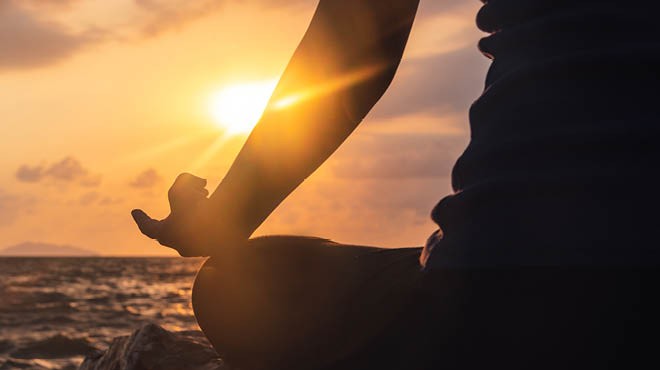
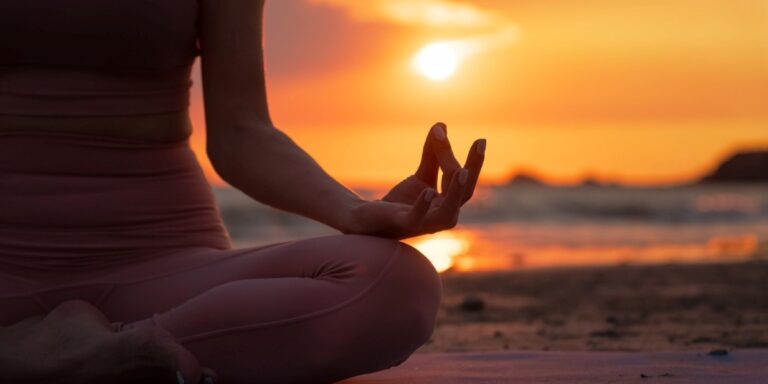
Reiki is not only about physical or emotional healing; it also nurtures the spirit. Many describe sessions as meditative, giving them a sense of inner peace and clarity. For some, it feels like reconnecting with their true self, letting go of emotional burdens, and experiencing a deeper connection to the world around them.
This spiritual element is open to everyone. Reiki is not linked to a specific religion—it simply provides a space for people to find balance and grounding in their own way.
What to Expect in a Reiki Session
A Reiki session is simple and calming:
- The client remains fully clothed and lies comfortably on a treatment table.
- Soft music may be played to create a relaxing atmosphere.
- The practitioner places their hands gently on or above different areas of the body.
- Sessions usually last 45–60 minutes.
- Many people drift into a deeply relaxed state, somewhere between wakefulness and sleep.
Afterward, it is common to feel refreshed, calm, or more centered. For some, the benefits are immediate; for others, they build over time.
Self-Healing and Daily Practice
While Reiki is often received from a practitioner, it can also be practiced as self-care. People who learn Reiki can use it daily to relax, manage stress, and support their own well-being. Even a few minutes of self-Reiki each day can bring balance and a sense of stability.
This makes Reiki more than just a therapy—it becomes a lifelong tool for managing life’s challenges and maintaining inner harmony.
Why Reiki Is Gaining Popularity
Reiki’s growing popularity reflects a shift in how people view health. Instead of focusing only on physical symptoms, many now want approaches that consider the whole person—body, mind, and spirit. Reiki fits perfectly into this mindset.
It is safe, gentle, and non-invasive, making it suitable for people of all ages. Its ability to work alongside medical care also makes it accessible for those dealing with serious health conditions. At its heart, Reiki offers something simple but powerful: a chance to pause, breathe, and let the body and mind heal.
Conclusion
Reiki may be gentle, but its benefits are wide-reaching. It helps calm the mind, ease the body, and support emotional balance, making life feel lighter and more manageable. Whether someone is looking to reduce stress, manage pain, or reconnect with themselves, Reiki offers a safe and supportive path. Its true strength lies in simplicity, no equipment, no effort, just openness to receive. In a world that often feels rushed and heavy, Reiki reminds us that healing doesn’t always have to be forceful. Sometimes, the softest practices bring the deepest transformation.